
A Broken Window in Melbourne: Choosing a Glazier for the Repair, Not the Upgrade
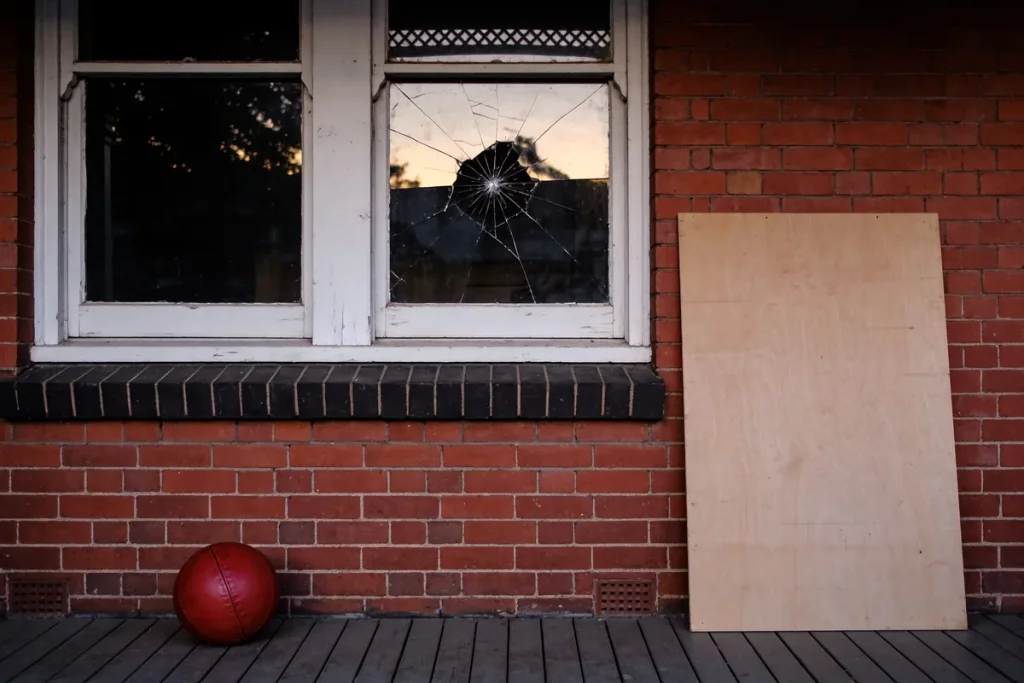
The ball came over the side fence just after seven, when the sky over Brunswick had gone the colour of weak tea. Nobody saw it leave the bat. Everybody heard it land: one flat crack, half a second of quiet, and then the softer, worse sound of glass giving way and sliding onto the floorboards of the front room.
By the time Daniela reached the window, the street cricket had stopped. Two boys stood at her gate looking like people who already understood that the ball was the least of it. The lower pane of her bungalow’s front window had a hole in the middle about the size of a fist, with cracks running out to the frame like spokes, and cold air was pushing through. Across the road, her neighbour Col, a retired sparky who had seen most things go wrong in most houses, came over with a flattened moving box and a roll of packing tape.
“That’ll see you through the night,” he said. “Ring a glazier in the morning.”
It was sound advice, and it raised the question every broken window raises. What has to happen tonight, and what can wait until someone qualified has had a look?
Tonight: make it safe
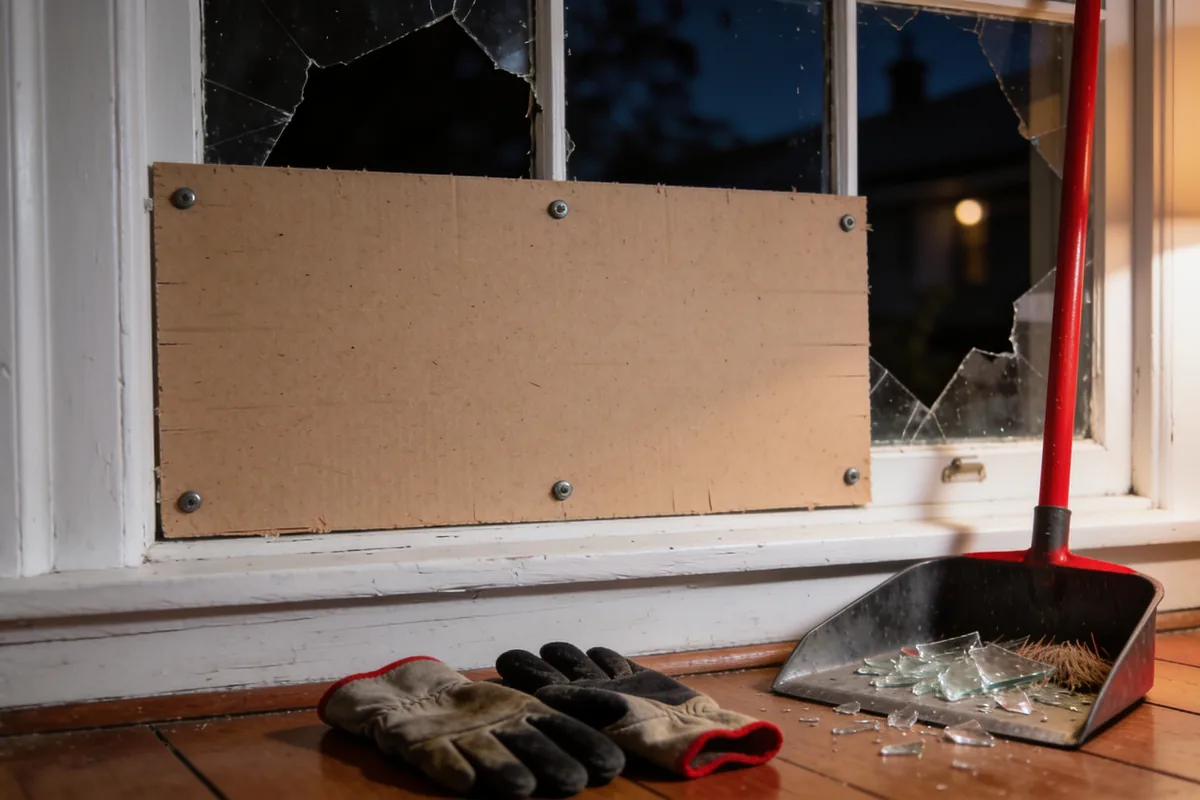
Daniela’s first move was the right one, though she made it out of instinct. She shut the dog in the laundry. Broken glass travels further than you expect, and the slivers that matter are the ones too small to see on a dark floor. Keep children and pets out of the room until it has been cleaned, and put shoes on before anyone crosses it.
Then gloves. Thick ones, the pair kept in the shed for roses or bricks, not the thin rubber ones under the sink. Sweep the big pieces first, go over the floor again more slowly, and wrap what you collect in newspaper or cardboard before it goes in a bin.
The hard part is leaving the frame alone. A cracked pane often keeps a few long shards wedged in the putty or beading, and the temptation is to work them loose so the hole looks tidier. Don’t. Those pieces can come away suddenly, in directions you did not plan for. They are the glazier’s job.
Col’s cardboard was enough for Daniela, because her hole was small, high off the ground and in a window that still locked. Taped over from the inside, it kept out the wind. Not every break is that kind. A large pane, a smashed glass door, or a window low enough that the house can no longer be secured is a different night, and this is where board-up services come in. Many glaziers, and some businesses that do only this, will come out after hours and screw a temporary board over the opening until the new glass can be cut.
That board usually turns up as a separate line on the bill, on top of the glass and the fitting. When you ring at night, ask whether the board-up is priced on its own, whether there is an after-hours callout charge as well, and whether the same business will come back to do the glazing or simply leave you with a sheet of ply.
Replace like for like, or the glass the standard needs
The glazier who came out the next morning was quick and quiet. He measured the opening, ran a gloved thumb along the old putty, tapped the frame in two places, and then asked something Daniela had not thought about.
“How low does this pane sit? Anything going in front of it, a couch, a desk?”
The glass that broke was the original, ordinary glass the house was built with. His point was that the replacement would not necessarily be the same. Australian Standard AS 1288:2021, Glass in buildings: selection and installation, sets human impact safety requirements for glass in places where people may come into contact with it, and it is aligned with the National Construction Code. In practice, a glazier will usually insist on safety glass in a handful of familiar places: doors, the side panels beside doors, panes that sit low to the floor, and bathrooms. That can hold even when the broken pane was plain glass, because the question is where the glass sits and who might fall against it, not what was there before.
Daniela’s pane sat high enough to go back in as ordinary glass. A panel beside a front door, in the same house, would likely have been a different conversation.
So ask the simple thing: which requirement applies to this pane, and why? A glazier who knows the work can answer in a sentence or two, standing at the window. If the answer is vague, or amounts to “the dearer glass is better”, ask again.
A quote for one pane sometimes arrives with a suggestion attached, usually to replace the whole window. That may be worth thinking about one day. It is a separate project, and it does not need settling while there is cardboard taped to your front window.
Choosing a glazier
That morning, at ten past seven, Daniela had searched for a glazier and rung the first three numbers. The first went to a call centre that took her suburb and promised someone “in the area” would ring back. The second was a glazier in Coburg who answered on the second ring with a mouthful of toast. The third rang out. She went with the toast.
That pull towards a local business with a name and an address is worth trusting, because on a job like this the registration system will not do the checking for you. Consumer Affairs Victoria explains that glazing is on Victoria’s list of single trades, so a glazing-only job worth more than $10,000 does not need the practitioner to be registered with the Building and Plumbing Commission. Registration comes into it when glazing is combined with other trades, or when the work is structural.
Replacing a broken pane is about as single trade as work gets, so the checking falls to you. Ask whether the glazier holds public liability insurance, and ask to see the certificate if the pane is large or sits in a busy part of the house. Look for a real street address, rather than a mobile number and a logo. And get a written quote before any glass is cut, with the lines below. The good businesses expect to be asked.
What the quote should name
The Coburg quote came by text that afternoon. It was short, which Daniela liked, but it was complete. A glazing quote does not need to be long. It does need to say what you are paying for, line by line, so you can hold it against another and see whether both describe the same job:
- Glass type and thickness. Ordinary or safety glass, and the thickness to be fitted. You do not need to know the right thickness. You need it written down.
- Safety glass marking. Where safety glass is going in, ask that the quote confirms it will be marked as such.
- Frame repair or reglazing only. Whether the price covers new glass in the existing frame, or repairs to timber, aluminium or hardware too.
- Putty or beading. How the new pane will be held in, and whether the old putty or beads are being replaced.
- Disposal. Removal of the broken glass, including the shards still in the frame.
- Board-up charges. Whether a temporary board is on this quote or billed separately.
- Timing. When the glass will be made and when it will be fitted.
- Warranty. What the glazier stands behind, and for how long.
The test Daniela applied at seven in the morning is the one this site suggests for locksmiths, who work the same after-hours rush and the same advertising aimed at a rattled homeowner. The guide to choosing a locksmith in Melbourne puts it as checking the address, not the ad. It works just as well for a glazier rung at midnight.
Insurance claims
Daniela did not claim. The repair was small and her excess would have eaten most of it. Still, the time to think about insurance is before you book, not once the invoice arrives.
Find your home and contents policy and look for how it treats glass. Some policies deal with broken glass in their own section, others within the general cover, and the excess can differ. Only your own policy wording can tell you what applies, so read it or ring your insurer.
Take photos before you clean up: the window from inside and out, the glass on the floor, the frame, the cricket ball if you have it. Once the board is on and the floor is swept, that evidence is gone. Keep the glazier’s written quote as well. If you do lodge a claim, it describes the damage and the repair in a form an insurer can read.
Heritage and older frames
In a Carlton terrace a few suburbs south, the same accident plays out differently. Daniela’s friend Teresa has double-hung timber sashes in her front room, painted, puttied and repainted more times than anyone can count, and a band of leadlight over the door that has survived a century of slammed doors.
Windows like these need a glazier who restores rather than replaces. The job is to take out the broken pane without damaging the timber, fit new glass and putty it so the line matches the old work beside it. A business that mostly installs new aluminium frames may be very good at that and still be the wrong choice for a sash older than anyone in the house. Ask whether they work on timber sashes and leadlight, and ask to see similar jobs.
If your house sits under a heritage overlay, there is another reason to keep the job small. Overlays can affect changes to windows and frames, and a like-for-like repair is a very different thing from a new window. This site’s guide to renovating a heritage home in Melbourne explains how overlays work and when to talk to council first.
Teresa’s glazier took the sash away in his van and brought it back a week later with new glass and fresh putty lines you could only pick by their colour. From the street, the window looks exactly as it did.
Fix the pane you have first
The cardboard came down on Thursday. The Coburg glazier arrived when he said he would, eased out the last shards with pliers and a lot of patience, and fitted the new pane in about the time it took Daniela to make him a coffee. That afternoon the two boys came back with an apology note in careful handwriting. She kept it.
Most broken windows end that quietly. Getting there is mostly a matter of order. Make the room safe tonight and leave the shards in the frame. Photograph before you clean. Ring a local glazier with an address, and get a written quote that names the glass, the marking, the frame work, the disposal and the warranty. Ask which requirement applies to your pane, and why. If the windows are old, find someone who restores them. And if a quote for one pane turns into a pitch for new windows, that can wait for another year.
Sources: AS 1288:2021 Glass in buildings, Standards Australia (https://www.standards.org.au/blog/as-1288-2021); About builders, tradespeople and other building practitioners, Consumer Affairs Victoria (https://www.consumer.vic.gov.au/housing/building-and-renovating/plan-and-manage-your-building-project/about-builders-tradespeople-and-other-building-practitioners)