
How to Choose a Locksmith in Melbourne: The Address, the Licence and the Written Price
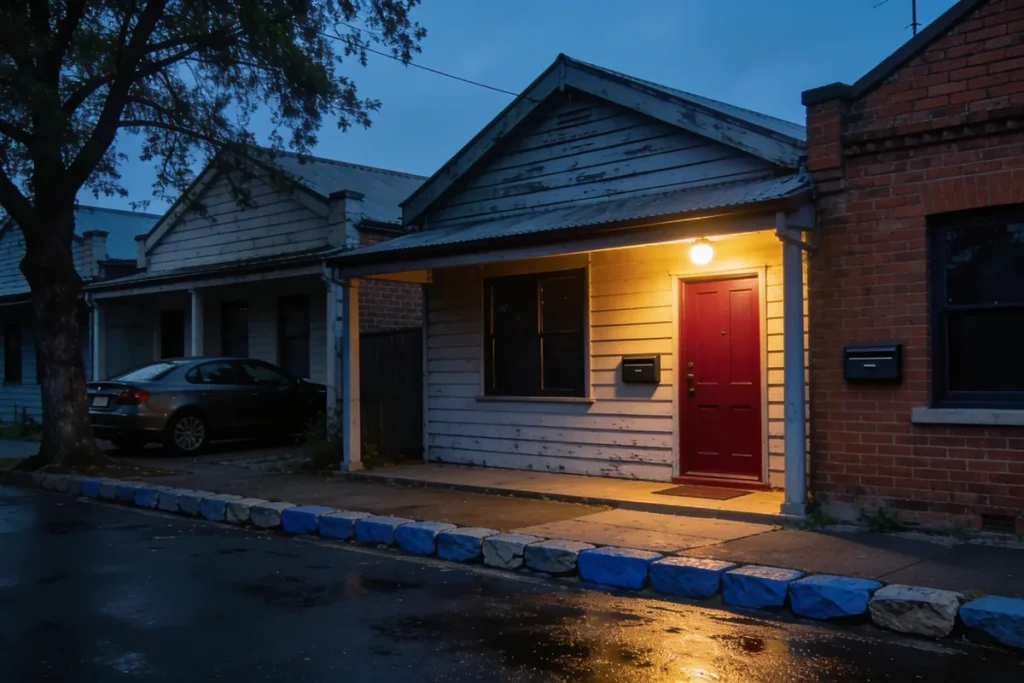
The worst time to choose a locksmith is when you need one
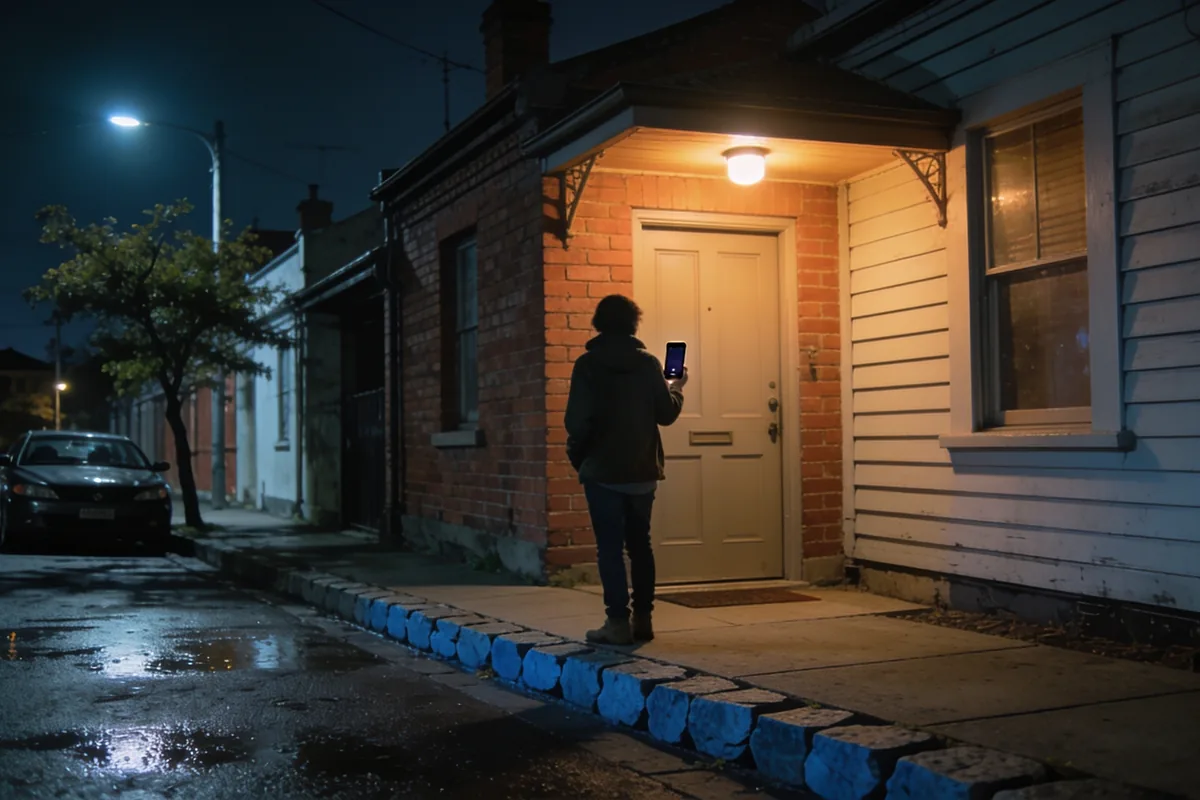
There is an asymmetry in the locksmith market that explains most of what goes wrong in it. Almost every other decision in the home-services category can be postponed. A dripping tap, a fence panel, a slow drain: each of them can wait for a weekday and a second quote. A lockout cannot. The reader is standing outside their own front door, often at night, and the choice of who to call is made in under a minute.
That minute is where the reported Melbourne problems are concentrated. The pattern is consistent across consumer reporting and the public discussion of this market: the decision comes from a search results page, on a phone, with no time to compare, and the operator who arrives is whoever advertised hardest for that moment. None of that makes locksmiths a dishonest trade. It means the ordinary consumer protections, the ones built for a considered purchase, never get a chance to operate.
This article does two things. It moves as much of the decision as it can to a calmer moment, by explaining how the after-hours market is structured, what a Victorian reader can genuinely check, and why the licence question is not the one most people expect. Then it gives a short list of what to ask in the minute you have.
How the after-hours trap works
The call-out fee is a marketing number, not a price
The figure that appears in an advertisement for a Melbourne locksmith is usually a call-out fee in the tens of dollars. It is worth being precise about what that number is. It is not the price of a job. It is a bid in an advertising auction, and the auction for Melbourne locksmith searches is one of the more expensive on the Australian services market. The demand is real, it is concentrated in a moment of urgency, and the businesses are willing to pay a great deal to be the name in front of a reader at that moment.
The work that follows the call-out is where the invoice is actually built: opening the door, drilling a lock that cannot be picked, replacing a cylinder, cutting new keys. A business paying heavily for every click on a locksmith search has to recover that cost in the job it wins. The call-out fee is the entry point of a transaction, not its total. Reading it as a price is the first mistake the market is set up to invite.
Why the top of the page is not a shortlist
Paid placement is bought, not earned. That is not a scandal; it is how search advertising works in every trade. The practical consequence is narrower and more useful. The order in which results appear on an urgent search carries no information about the person who will turn up. The operators with the largest advertising budgets are the ones at the top, and an advertising budget is not a qualification.
A reader with thirty seconds should treat the top of the results as a list of advertisers rather than a list of candidates. It is the beginning of a search, not the answer to it. The same logic applies to review counts and star ratings, which can be bought or gathered on a lead-generation business that never sends the same person twice.
It is worth noticing, too, that a search returns advertisements, not businesses. What looks like a list of local operators is a list of placements. The name on the placement is not a check on anything, which is why the checks below are about the business behind the result rather than the result itself.
What pressure looks like at the door
The reported patterns are best described as patterns, and not as proof of anything about a particular operator: a price that changes once the operator is standing in front of a locked door, work that expands beyond the original lockout without being quoted first, a preference for cash with the invoice vague or refused, and a demand for payment before the door is opened.
None of these is proof on its own. Each one is a reason to ask one more question before agreeing to anything.
What you can actually check in Victoria
There is no single locksmith licence to look up
This part runs against what most readers assume. Victoria does not issue a dedicated locksmith licence the way it does for licensed trades such as plumbing and electrical work. So the question “are you licensed?” does not settle anything here, and a business that answers “yes, fully licensed” has not yet told you something you can verify.
What does exist is the private security framework. Under the Private Security Act 2004, private security activity in Victoria is licensed, and the classes of licensed work include the installation, repair, service and maintenance of security equipment: safes, vaults, electronic and biometric access control devices, alarm systems, CCTV and security intrusion detectors. Those licences are issued through Victoria Police. The licence a reader can actually ask about, then, is a Victorian private security licence, and the answer tells you whether the operator is a security professional or a call-out service that happens to handle locks.
The register is public, and it takes a minute
Victoria Police keeps a public Register of Licence, Registration and Permit Holders, and a consumer can check an operator against it. The check is short. Ask the operator for their name and their private security licence number, then look both up. Read back what the register returns: the name, the class of work, and whether the licence is current.
Two results end the conversation before a price is discussed: a number that will not be given, or a search that returns a different name. A legitimate operator expects the question and will usually answer it without hesitation, because the register exists for precisely this purpose.
The fixed address test
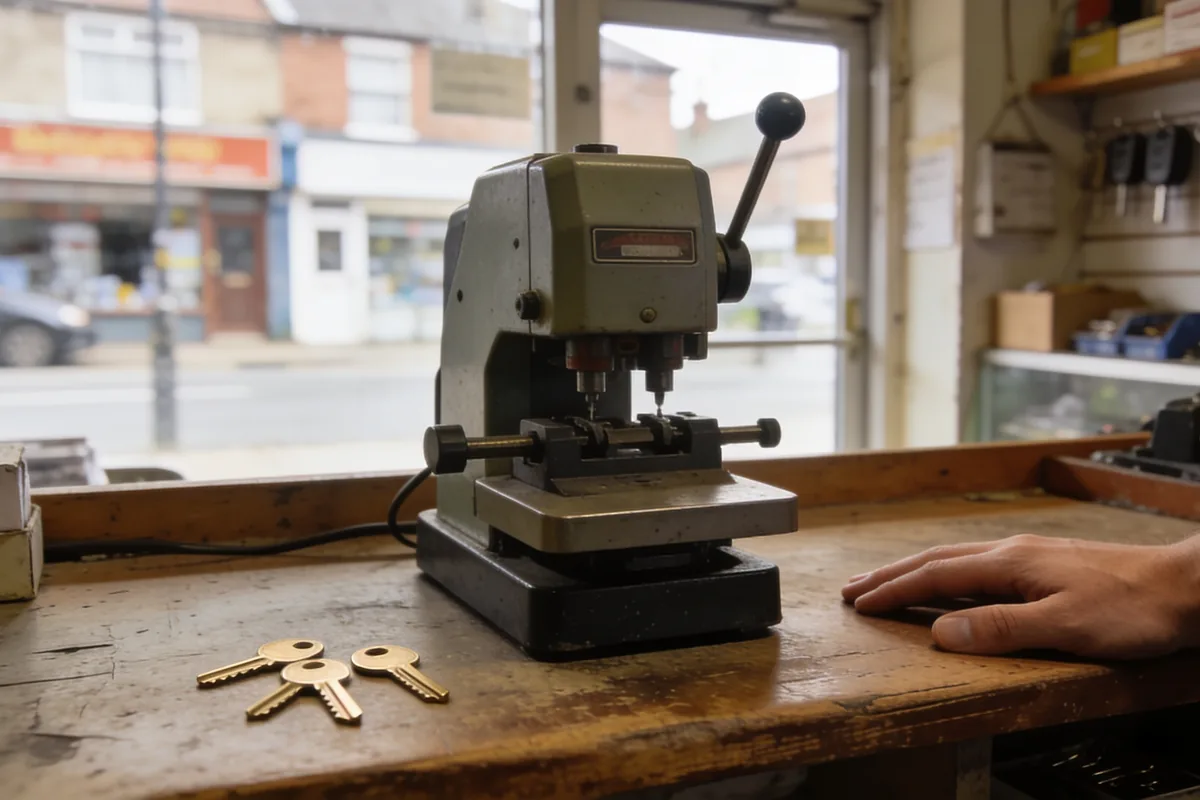
The advice that appears most often in Melbourne’s own discussion of this market is also the simplest check available. Prefer an operator with a real, visitable street address, a shopfront or a workshop you could walk into, over a mobile-only service with a call centre and no premises. The test works without needing to overclaim. A business with premises has something to lose, can be served with paperwork, and can be found again if the work goes wrong.
Pair it with an obvious second check. The trading name on the quote, the trading name on the invoice and the trading name on the register entry should agree. A mismatch is a reason to stop and ask, not to shrug.
A visitable address also gives you somewhere to go back to. If something is wrong with the work, it is far easier to return to a shop than to chase a phone number that may not answer a second time.
Agree the price before anyone picks a tool
A written price, before the work, sent to you
Ask for the call-out fee and the price of the specific job in writing, and ask for both before the operator travels. A text message or an email is enough to count. If a written price cannot be produced, that is itself an answer, and the next question is what the fee covers and what would change it. The single most protective habit available to a locked-out reader is refusing to let the scope expand silently after the operator arrives. A quote that grows at the door is the whole mechanism of the trap, and a written figure sent in advance is the one thing that makes it harder to grow. Keep the message. A price sent in writing before the work is the only version of the agreement you can produce afterwards, and it is the first thing a card issuer will ask to see.
The three answers that should end the call
Three answers tell you the conversation is not going anywhere: no fixed address and no licence number, a price that exists only verbally and changes once the operator is at the door, and a demand for cash with no invoice offered. These are signals about the conversation rather than accusations against a trade, and they are worth reading that way. Ending a call early costs nothing and can save an afternoon.
None of these is proof that something is wrong on its own. Plenty of legitimate operators work from a mobile number, and a verbal estimate is not a crime. What the list does is give a reader who is deciding in a hurry a short set of moments to pause, which is the most that any list of warning signs can honestly claim.
The questions worth asking even at 11pm
Four questions, thirty seconds, all of them answerable. Are you the person who is coming? How long until you arrive? What is the call-out fee, and what does it include? What will the job cost, and is there a card option? Ask them in the order that matters most to you, and treat the answers as the quote you will hold the operator to. An operator who works through all four without hesitation has already told you something useful about how the rest of the job is likely to go.
If it has already gone wrong
The reader who finds this article after the fact still has a route, and none of it requires blaming themselves. In rough order of first response: if the payment was on a card and was not what was agreed, try the card issuer first, because a charge that does not match an agreed price is a dispute the issuer can act on. Report the conduct to Consumer Affairs Victoria, which handles consumer complaints about goods and services in Victoria. Report the scam itself to Scamwatch, the ACCC’s scam reporting service. Contact Victoria Police where an offence may have been committed, using Triple Zero for anything happening in the moment. Take a civil dispute about the money to VCAT, which hears small claims in Victoria.
One more body is worth knowing about. The Master Locksmiths Association of Australasia is a voluntary industry body with a member directory and a channel for reports about operators. It is a research tool rather than a regulator. Membership is voluntary, and it is not a government licence and not evidence of one. The blame in any of these situations sits with the operator, and not with the reader who was locked out. Whatever the route you take, write down what was agreed and what was charged while it is fresh, because each of these processes asks for the same short account of what happened.
The five minutes that stops this happening
The constructive half of this article is small, and it is the half worth doing before you need it. Save two local locksmith numbers, chosen by address and licence rather than by advertisement. Keep a spare key with someone you trust or in a key safe. Check whether your home insurance, your roadside-assistance membership or your building manager already includes lockout cover, because a great many lockouts are already paid for. Note the number of your own insurer’s or motoring club’s lock service if you have one, and check the lock type on your front door so you can describe it accurately when you are asked. None of it takes long, and all of it is cheaper than the alternative, which is a decision made in a minute, at night, with no list in front of you.
The checklist below is the same set of checks in the order you would use them on the night.
Before you ring anyone: the locksmith check
- A real street address for the business, a shop or workshop you could walk into
- Their Victorian private security licence number, if the work touches safes, access control, alarms or CCTV
- That number checked on Victoria Police’s public register, with the name matching
- A written price, call-out fee plus the job, sent to you before anyone travels
- A named person coming, and a rough arrival time
- A card payment option, not cash only
- The trading name on the quote, the invoice and the register all matching
- An invoice afterwards with the business name, ABN and GST on it
Read it once now and it will take a minute later. Nothing on it is a confrontation, and nothing on it asks you to distrust a trade you have not met. It asks one thing of the reader, which is to hold the answers to the same standard you would apply to any other purchase that arrives with a price attached.
Before you ever need one
Put together, the whole check is an address, a register entry and a written price, and all three fit inside a minute. The operator who answers all three is the one you want, and asking is ordinary rather than suspicious. A licence number that appears without being pushed, a shop you could visit and a figure sent in writing before anyone travels are not favours. They are the baseline the trade is capable of, and the fast way to find it is simply to ask. Where the trade is honest, and most of it is, none of these questions is a problem. Where it is not, they are the quickest way to find out, and finding out early is the whole point.
Sources: Victoria Police, private security licensing, licence classes and the Register of Licence, Registration and Permit Holders. Consumer Affairs Victoria, making a complaint. Scamwatch, report a scam, and the Victorian Civil and Administrative Tribunal, small claims.